

JPTSJS SPEAKER BIOS

Johana Bencomo
Johana currently serves on the Las Cruces City Council, representing District 4, where she has focused on policy priorities aimed at addressing systemic inequities. In addition to her role on City Council, Johana is also the Executive Director of NM Safety Over Profit, bringing nearly 15 years of experience in community organizing and trauma informed political advocacy. She has dedicated her career to building power with historically marginalized communities, working alongside working families, immigrants, border communities, and survivors of corporate negligence. Johana has called Las Cruces home since she was 18 years old. She earned both her Bachelor of Arts in Government and Masters in Social Work from New Mexico State University.
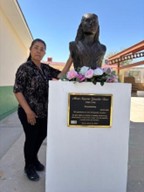
Paula Flores Bonilla
Paula Flore Bonilla, from Durango Mexico, was married to Jesus Gonzalez Hernandez and had six daughters and one son. In 1995, Paula and her family immigrated to Ciudad Juarez, Chihuahua, where her daughter Maria Sagrario was a femicide victim. Paula initiated Voces Sin Eco, a group of mothers seeking justice to end femicides. In 1999, Paula was also instrumental in bringing basic services to her community
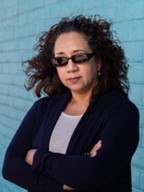
Adriana Candia
Adriana Candia (M.A., New Mexico State University) is a writer from Ciudad Juárez, Chihuahua, whose work spans short stories, essays, poetry, and chronicles. She is the author of several books, including Animala y otros destellos, Besos de mariposa, and Mujeres eternas. Her writing has appeared in major anthologies and literary journals across the U.S., Mexico, and Spain. In addition to her creative work, she has contributed as an editor to Revista Arenas Blancas and other literary projects. Candia has also led and participated in narrative workshops. She currently lives in southern New Mexico, where the desert and Organ Mountains shape her creative practice.

Martín Eduardo Chávez Caldera
Martín Eduardo Chávez Caldera is a human rights advocate and border-region activist with more than two decades of involvement in the struggle against femicide and gender-based violence in Mexico. His commitment emerged after the femicide of his sister, María Elena Chávez Caldera, an experience that transformed his life into a sustained pursuit of truth, justice, and comprehensive reparation. He has collaborated with civil society organizations such as Nuestras Hijas de Regreso a Casa, advancing public advocacy initiatives, supporting families of victims, and increasing international awareness of the crisis in the border region. He holds a Law degree and focuses on criminal law, human rights, and state accountability for serious violations. His work emphasizes memory, justice, and prevention, promoting institutional strengthening, gender-sensitive investigations, and the dignity of victims as essential pillars to eradicate violence and guarantee non-repetition.
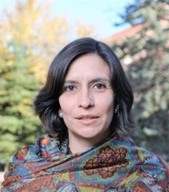
Bertha Bermudez Tapia
Bertha Bermúdez Tapia is a scholar of migration whose work examines violence, state power, and immigration policy, particularly along the U.S.–Mexico border. Her research focuses on how systems of governance shape migrant lives and reproduce forms of violence, with attention to undocumented migration, asylum, and border enforcement. Trained in both ethnographic and quantitative methods, she employs innovative approaches such as participant photography and visual mapping to document migrant environments and conditions. Her teaching and research engage international migration, race and ethnic relations, and the social dimensions of immigration policy.

Stephanie Preciado-Shelton
Stephanie is a working artist, community art enthusiast, yoga instructor and art educator. She has been teaching art for over a decade currently teaching visual art at J. Paul Taylor Academy. Although she was raised in Arizona, Mrs. Preciado-Shelton calls Las Cruces, New Mexico home and has a strong connection to the desert landscape and flora. She primarily creates art through illustration and jewelry metalsmithing. Building connection in community through art making has been a consistent motivator in Stephanie’s projects and teaching.
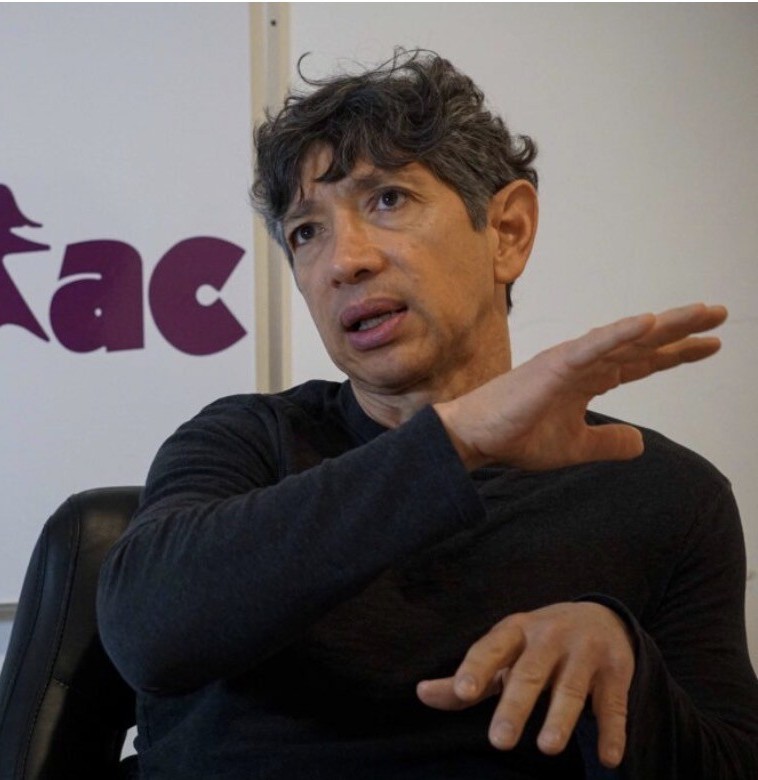
Oscar Maynez
Oscar Maynez holds degrees in Criminology and Clinical Psychology from the Autonomous University of Nuevo León in Mexico, where he also earned a certification in Forensic Science. He pursued graduate studies toward a Master of Science in Justice, Law, and Society at American University in Washington, D.C. Throughout his career, he has collaborated with state and local law enforcement agencies in Chihuahua on issues related to crime prevention and public safety. Currently, he is a faculty member at the Autonomous University of Ciudad Juárez and hosts a talk-radio program. He co-founded and serves as the president of the board of Sin Violencia A.C., a women’s shelter in Ciudad Juárez, dedicated to supporting victims of violence.
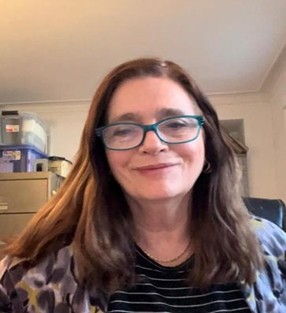
Mercedes Doretti
Mercedes Doretti is a renowned Argentine forensic anthropologist with an outstanding international career spanning more than forty years in the field of forensic anthropology. She holds a bachelor’s degree in Anthropological Sciences from Argentina and furthered her academic training with studies at Hunter College in New York. Throughout her career, she has been awarded two honorary doctorates in recognition of her valuable professional and humanitarian work.
Doretti is co-founder of the Argentine Forensic Anthropology Team, an internationally respected institution dedicated to investigating human rights violations using forensic techniques. She is also co-founder and former president of the Latin American Association of Forensic Anthropology.
She has worked in more than twenty countries across different continents, participating in investigations related to the identification of disappeared persons and the pursuit of justice. She has spent the past 25 years working in Mexico, collaborating on various projects focused on the search for and identification of missing persons.
Among her most recent achievements is her role as editor of a book on new search technologies applied in Mexico, reflecting her commitment to innovation in the forensic field.
Currently, Mercedes Doretti serves as the Central America Director of the Argentine Forensic Anthropology Team, continuing her work in promoting truth, justice, and human rights.
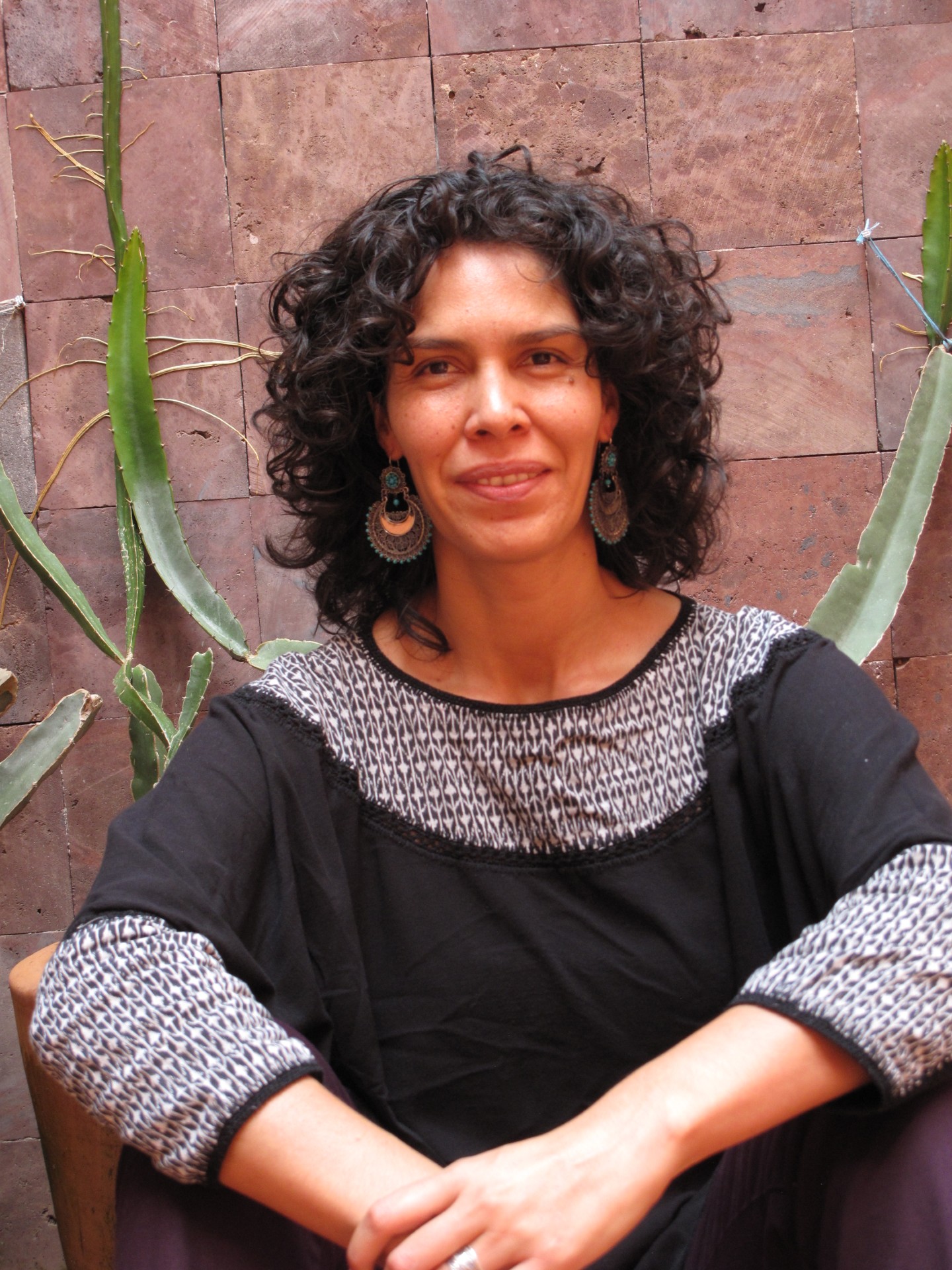
Andrea Medina Rosas
Abogada, feminista, mexicana, se ha especializado en la consolidación del derecho de las
mujeres a una vida libre de violencia. Hace 30 años comenzó a trabajar con niñas y niños víctimas de violencia sexual, y con mujeres víctimas de violencia en la familia. Su madre fundó un centro de atención e investigación de la Mujer en Guadalajara, y desde ahí comenzó a trabajar en el diseño y exigencia de legislación para eliminar la discriminación contra las mujeres, el diseño de políticas públicas específicas y de igualdad entre mujeres y hombres, y la formación de operadores de justicia en aspectos como derecho y género, violencia en la familia, violencia feminicida, explotación sexual y prostitución, así como la violencia institucional contra las mujeres. Sus intereses se articulan con el arte y la educación somática para potenciar la comprensión y consolidación práctica de los derechos humanos.
Blanca Araujo
Blanca Araujo is a Full Professor at New Mexico State University. She received her Ph.D. in Critical Pedagogy with a minor in Bilingual Education from NMSU. She works with and teaches preservice teachers in the School of Teacher Preparation, Administration, and Leadership. She teaches the Social Studies methods courses and student teaching seminars in the Teacher Education Program at NMSU. Blanca’s interests are in Social Studies education, teacher education, bilingual education, and transfronterizo studies all within a critical and social justice perspective. She was also a bilingual elementary school teacher for several years in the Gadsden Independent School District in Anthony, New Mexico. Blanca Araujo is a Full Professor at New Mexico State University. She received her Ph.D. in Critical Pedagogy with a minor in Bilingual Education from NMSU. She works with and teaches preservice teachers in the School of Teacher Preparation, Administration, and Leadership. She teaches the Social Studies methods courses and student teaching seminars in the Teacher Education Program at NMSU. Blanca’s interests are in Social Studies education, teacher education, bilingual education, and transfronterizo studies all within a critical and social justice perspective. She was also a bilingual elementary school teacher for several years in the Gadsden Independent School District in Anthony, New Mexico.
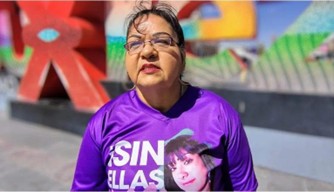
Norma Laguna
Norma Laguna is a prominent activist in Ciudad Juárez, widely recognized for her leadership in the fight against femicide and enforced disappearance. Her daughter, Idaly Juache Laguna, disappeared on February 23, 2010; her remains were later identified among findings at Arroyo del Navajo. Since then, Norma has transformed her grief into sustained advocacy for justice, memory, and accountability. She has participated in citizen-led searches in areas where remains have been discovered, public demonstrations denouncing human trafficking networks, and commemorative actions marking November 25 and March 8. These efforts often include public statements, memorial ceremonies, and the placement of floral offerings to honor victims.
Norma has received recognition from the Human Rights Commission of Mexico City for her work. Her activism has also been featured in documentaries, artistic productions, and audiovisual projects addressing feminicide in Chihuahua. She participated in the music video for “Día 730” by Intocable, which brought broader visibility to the case of her daughter and other victims.
She has also advocated for the creation of a memorial at Arroyo del Navajo, contributing to its initial development and ongoing efforts. Through her work, often alongside other mothers, she continues to demand justice, preserve memory, and challenge impunity.
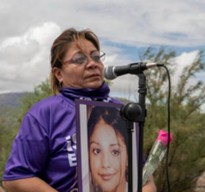
Susana Montes
Susana Montes is an activist and mother of María Guadalupe Pérez Montes, a 17-year-old who disappeared on January 31, 2009, in Ciudad Juárez and was later identified among remains found at Arroyo del Navajo. Since her daughter’s disappearance, Susana has been actively involved in the fight for justice, memory, and accountability in cases of feminicide and disappearance.
She has participated in protests outside Ciudad Judicial, search and remembrance caravans alongside families’ collectives, and public commemorations on March 8 and November 25. She also contributes to conferences and events organized by human rights organizations, raising awareness and advocating for the rights of victims and their families.
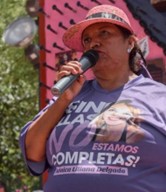
Carmen Castillo
Carmen Castillo is an activist and mother of Mónica Liliana Delgado Castillo, who disappeared in Ciudad Juárez on December 20, 2010, and was later identified among remains found at Arroyo del Navajo—a site emblematic of feminicides linked to trafficking and disappearances between 2009 and 2011. Since her daughter’s disappearance, Carmen has been actively engaged in advocacy for justice, memory, and accountability. She has participated in memorial acts at Arroyo del Navajo, the placement of pink crosses honoring victims, and protests in front of judicial institutions demanding justice. She also joins memory caravans organized by mothers’ collectives and collaborates with civil society organizations to raise awareness about feminicide.
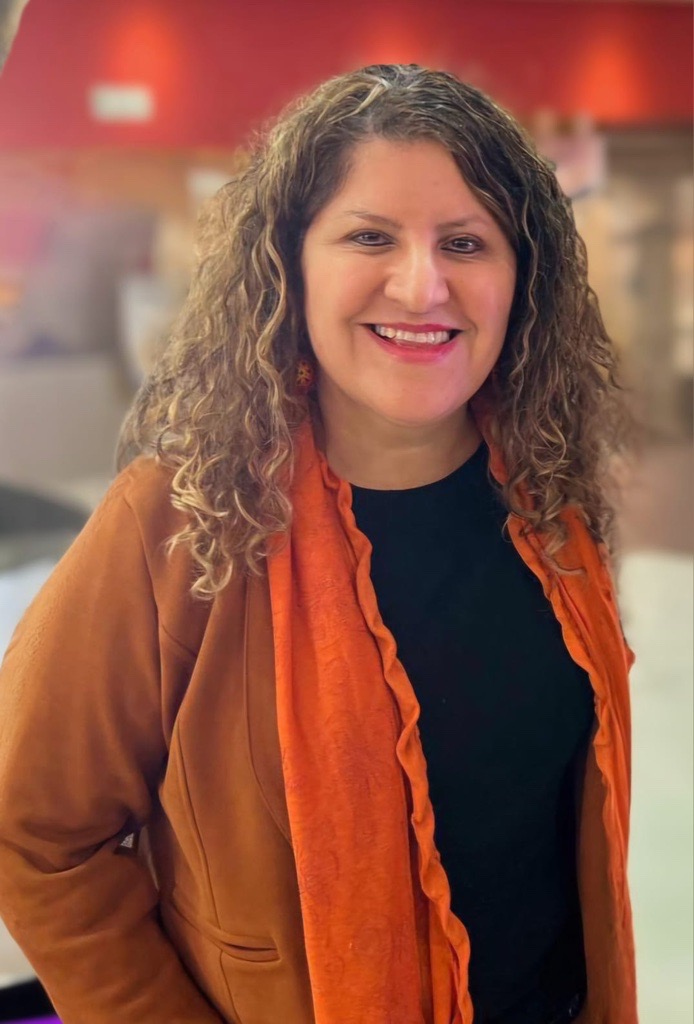
Imelda Marrufo
Imelda Marrufo Nava, a native of Ciudad Juárez, is a women’s human rights defender with more than twenty-five years of experience. She serves as General Coordinator of Red Mesa de Mujeres de Ciudad Juárez A.C., a leading feminist organization supporting victims of disappearance, feminicide, and trafficking, and is a member of the Chihuahua State Women’s Movement.
In 2002, she was part of the group of advocates who filed a petition before the Inter-American Commission on Human Rights regarding the murders and disappearances of women in Ciudad Juárez, which led to the landmark 2009 Cotton Field (Campo Algodonero) ruling by the Inter-American Court. Since then, she has actively worked to monitor its implementation and demand justice for victims.
She specializes in strategic litigation and has contributed to advancing public policies such as Women’s Justice Centers, the Municipal Women’s Institute of Ciudad Juárez, and the Specialized Court on Gender-Based Violence. She has served on institutional advisory bodies related to equality and human rights and has collaborated with courts, public agencies, academia, and civil society organizations.
She is an author and consultant on reports and studies addressing gender-based violence, disappearances, and access to justice presented before national and international bodies. She also teaches and participates as a speaker and panelist in academic and professional settings.
Her work has been recognized with national and international awards, including the Anne Klein, Clara Zetkin, and Ponciano Arriaga awards.
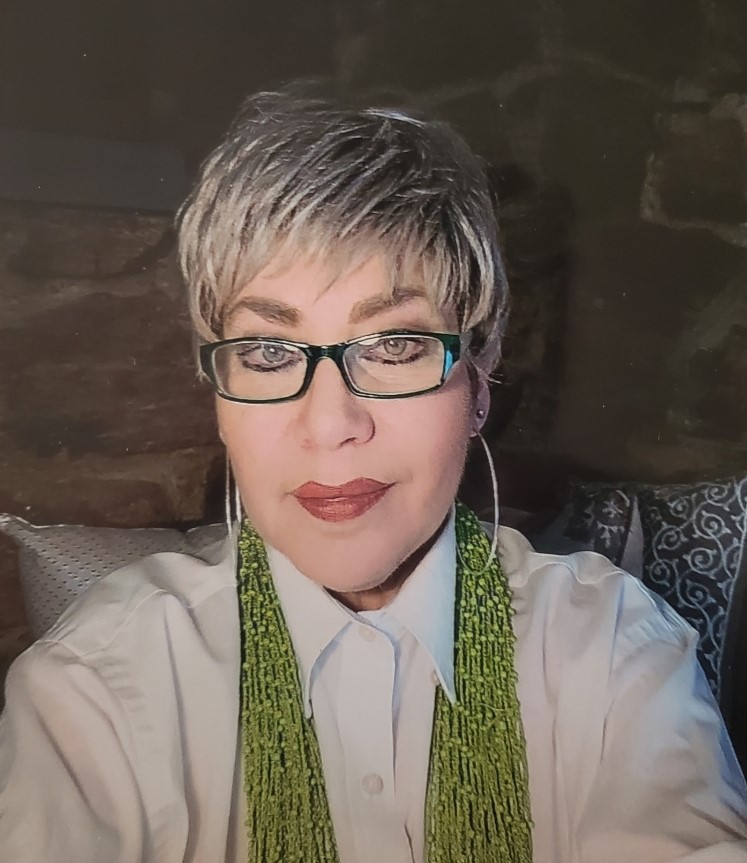
Pat Acosta
Pat Acosta is the Youth Development & Diversion Program Supervisor for the City of Las Cruces, New Mexico, where she leads a team serving youth and families across the region, including rural communities such as Hatch, Anthony, and Chaparral. In her role, she has expanded program access, developed community partnerships, and created innovative initiatives focused on youth accountability, support, and development. With over 40 years of experience in advocacy, Pat previously dedicated 12 years to La Casa, Inc., a nonprofit serving survivors of domestic violence, where she held multiple leadership roles, including Director of Operations and Director of Supportive Services. She has also served as a national trainer on domestic violence, community partnerships, and cultural competency, and is a frequent keynote speaker. Pat has received numerous honors, including the Edith Surgan Advocate Award and the NMCADV Leadership Award, and was appointed to the New Mexico Governor’s Commission on Domestic Violence. A proud Chicana, her lifelong commitment to community engagement began in El Paso and Ciudad Juárez and continues to guide her work today under her motto, “Aim to Inspire.”
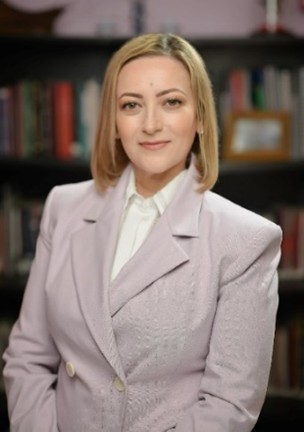
Lydia Cordero Cabrera
Lydia Cordero Cabrera is a feminist activist, clinical psychologist, and Executive Director of Casa Amiga Esther Chávez Cano A.C. in Ciudad Juárez, Mexico. With over 24 years at the organization—founded by renowned activist Esther Chávez Cano—she has led comprehensive services for women survivors of violence and supported families of disappeared and murdered women.
Specializing in family and sexual violence, Lydia has extensive training in psychosocial support and is certified in child safeguarding by Keeping Children Safe. She has developed prevention strategies addressing gender-based and child sexual violence and oversees psychological and legal intervention for cases supported by Casa Amiga.
Lydia is an active member of the women’s movement in Chihuahua, contributing to feminist advocacy and public policy since the early 2000s. She participates in national and international initiatives focused on human rights and violence prevention, including México Posibles and the Spotlight Initiative. She currently serves on municipal and state councils advancing women’s right to a life free of violence.
In addition to her advocacy, Lydia is a lecturer for police training programs on gender-based violence and a speaker in feminist education initiatives. She has collaborated with academic institutions in the U.S. and Mexico on research related to women’s human rights. Her work has been recognized with honors including the International Peacemaking Award (2017) and the Chihuahuense Destacada Award (2024).
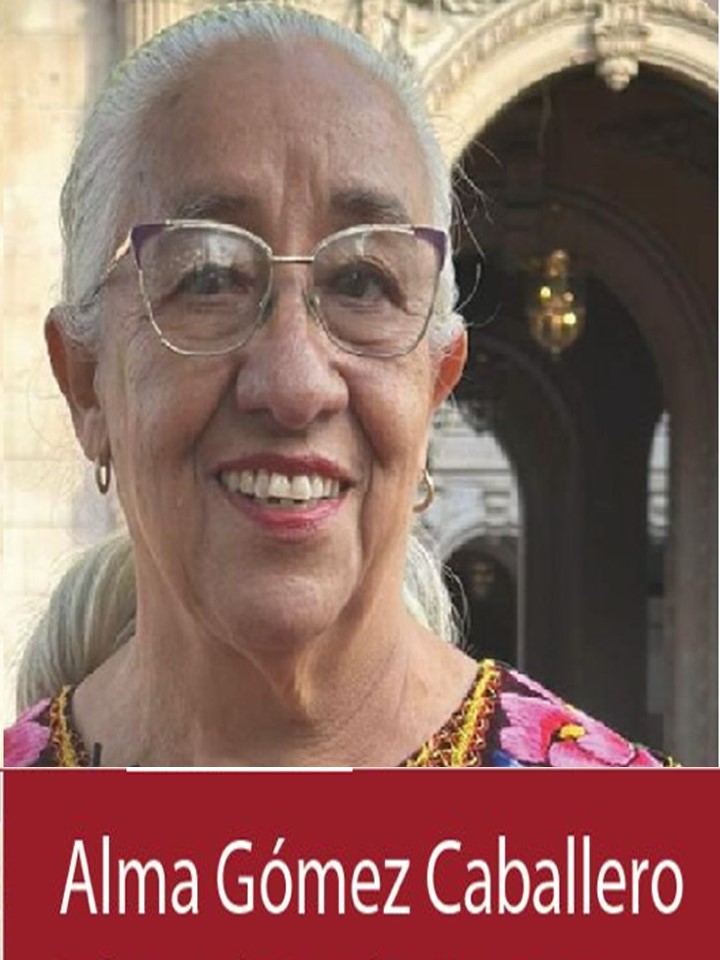
Alma Gómez Caballero
Alma Gómez Caballero was born on June 24, 1951, the eldest of five children of Alma Caballero Talamantes and Pablo Gómez Ramírez. She is married to Gabino Gómez Escárcega and is the mother of four children, two biological and two by choice.
A graduate of the Rural Teachers College Ricardo Flores Magón, she served as a student leader and National Council member of the FECSM, and received the Valentín Gómez Farías Medal from Mexico’s Ministry of Education. She was also a member of the Revolutionary Action Movement and a former political prisoner.
Since 1963, she has co-founded and participated in numerous social movements, including student, peasant, labor, feminist, and human rights organizations, as well as groups supporting families of disappeared and displaced persons. She has served as a consultant for the Argentine Forensic Anthropology Team and is a retired teacher.
She is the founder of the Center for Women’s Human Rights and has been recognized by the Congress of the State of Chihuahua for her feminist activism and contributions to human rights. She has published widely and presented at national and international events.
Greg Bloom
Greg Bloom was one of the cofounders of Amigos de las Mujeres de Juarez in 2001, when he was editor of Frontera NorteSur, an online U.S.-Mexico border new source at NMSU’s Center for Latin American and Border Studies. Amigos supported the families of feminicide victims and missing girls and women and Casa Amiga, a rape crisis center in Ciudad Juarez. The not-for-profit organization raised tens of thousands of dollars to aid victims’ families in traveling to Chihuahua City, Mexico City, Costa Rica, Switzerland and other places to press governments and international human rights organizations for justice in their daughter’s cases and to prevent future abductions and killings. Amigos also assisted in organizing dozens of protests around the U.S., Mexico and globe to bring attention to the killings. Greg went on to work as state director for United States Senators Jeff Bingaman (2005 – 2012) and Tom Udall (2015-2020). He lives in New Mexico where he works in state government.
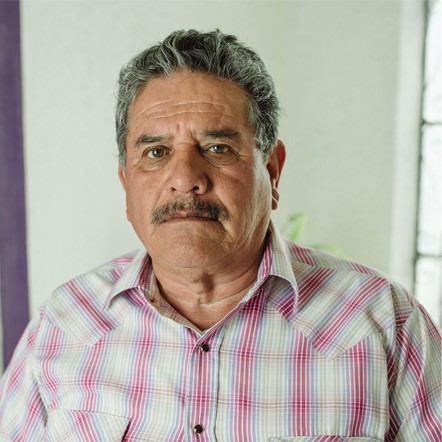
Gabino Gómez Escárcega
Gabino Gómez Escárcega, born June 7, 1951, in Bachíniva, Chihuahua, is a human rights defender who began his activism in 1968 through student and popular movements at the state and national levels. He has been a promoter, co-founder, and member of multiple organizations, including CDP, El Barzón, Comité Primeros Vientos, Justicia para Nuestras Hijas, and FDC. He participated in the “Éxodo por la Vida” and the transfer of the Cross of Nails from Mexico City to Ciudad Juárez, raising awareness of feminicide. He also organized major mobilizations for rural justice, including a 1999 horseback caravan and a 2008 tractor march from Juárez to Mexico City. In 2006, he co-founded the Center for Women’s Human Rights, supporting victims of violence, families of the disappeared, displaced communities, and at-risk human rights defenders. Since 1994, he has accompanied Mujeres de Negro, advocating for policies and protections to ensure women’s right to a life free of violence.
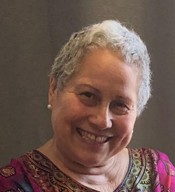
Lucha Castro
Lucha Castro is a human rights lawyer, theologian and feminist activist internationally known for her work defending women and victims of violence in northern Mexico. She has received several international awards, including one from Front Line Defenders, which wrote a comic book about her life to educate on human rights, and a prestigious Human Rights Award from the Asociación Pro Derechos Humanos de España.
She co founded Justicia para Nuestras Hijas and is the founder of the Centro de Derechos Humanos de las Mujeres (CEDEHM), an organization that provides legal representation and psychosocial support to women facing violence and families of disappeared persons. Through CEDEHM, she pioneered strategic litigation efforts that have brought national and international attention to systemic impunity in Mexico, particularly in relation to femicide and forced disappearances.
Her work has contributed to landmark legal cases and policy reforms aimed at improving access to justice and accountability. She was the lawyer of dozens of victims of violence and mothers of femicide victims, including Marisela Escobedo, who was murdered in front of the office of the governor while requesting justice.
She also co-founded several networks of women human rights defenders to expand advocacy efforts and solidarity among women, such as Mujeres de Negro and el Observatorio Ciudadano Nacional del Feminicidio.

Laura Aragón Castro
Laura Aragón-Castro is a women’s rights advocate with extensive experience in international development and public policy across Latin America and the Caribbean. She has worked as a gender advisor for the United Nations system, the Organization of American States, and governments.
She is the founder of Mukira, a nonprofit organization recognized by UNESCO for its work with youth to prevent violence against women and girls. She also created the Women’s Justice Centers in Mexico, a national public policy that provides integrated services for survivors of gender based violence and has been replicated across the country.
She has spoken on three continents and has had she has been featured in CNN, C-Spain, and El País. She also won first place in a national contest organized by UN Women and the Mexican Supreme Court of Justice for her research on gender and justice.
She is currently the Executive Director of LAConsulting, a gender-equality and climate-change firm.
Laura Aragon Castro studied political science at Tec de Monterrey, Mexico, and at Sciences Po Paris. She holds three master’s degrees from top universities in France and the United States and is currently pursuing a fourth in Energy Transition.

David Ortiz
David G. Ortiz is Associate Professor and Department Head of Sociology at New Mexico State University and Provost’s Inaugural Faculty Fellow for the Center for Latin American and Border Studies (CLABS). He was born and raised in Mexico City, where he earned his B.A. in International Relations from the National Autonomous University of Mexico (UNAM). He holds an M.A. in Peace and Conflict Resolution and a Ph.D. in Sociology from the University of Notre Dame. His work examines how individuals and communities make meaning, organize, and mobilize in unsettled and contentious times.
Dr. Ortiz brings a transnational perspective to his research and public engagement. His scholarship explores protest–repression dynamics, the role of digital media in activism, and how narratives—particularly in moments of crisis—shape collective understanding and response. His research spans topics such as state violence in Latin America, the long-term effects of disasters on social movements, and the influence of media representations on public perceptions of contentious events.
More recently, his work has examined gender as a social process, including research on gender dysphoria and gender euphoria, as well as the structural barriers and opportunities facing minoritized and first-generation students in STEM fields. His publications contribute to multiple areas, including social movements, Latin American studies, cultural sociology, gender and trans studies, digital media, and the sociology of education.
His work reflects a commitment to bridging scholarship and public conversation. He has served as an international election observer in Latin America, including with former U.S. President Jimmy Carter and the Organization of American States.

Rocío Gallegos
Rocío Gallegos is an investigative journalist working along the U.S.–Mexico border. She writes on migration, corruption, economics, politics, and the social impacts of violence and drug trafficking. She has combined her work as a reporter with roles in newsroom coordination, editing, and editorial leadership. From September 2013 to February 2018, she served as Editorial Director of El Diario de Juárez. She holds a bachelor’s degree in Communication Sciences from the Autonomous University of Nuevo León and a master’s degree in journalism from the University of Texas at El Paso. She is a co-founder of the Juárez Journalists Network.
She has received numerous awards, including the 2011 Knight International Journalism Award, the 2011 María Moors Cabot Prize (as part of the El Diario de Juárez newsroom), and the 2012 Zenger Award for Press Freedom. More recently, she received the 2024 German Journalism Award and the 2025 Breach-Valdez Award for collaborative investigations. In recognition of her leadership in border journalism, she was awarded the 2025 Don Bolles Medal by Investigative Reporters and Editors (IRE). She has been a fellow of the Adelante Program of the International Women’s Media Foundation and has combined journalism with teaching. Her work has also been published in The New York Times. She currently serves as president of the board of Territorial, a media alliance.

Manuela Alejandra Gomez
Dr. Manuela Alejandra Gomez is Professor of Philosophy at El Paso Community College with over 20 years of teaching experience on both sides of the U.S.–Mexico border. She specializes in philosophical pedagogy, ethics, feminism, visual literacy, and Latin American philosophy. She is the author of Intersecting Worlds in Mexican American Philosophy: Teaching and Learning from the Border, published by Bloomsbury in 2026. Beyond academia, she is also a journalist with a focus on U.S.–Mexico border politics. Dr. Gomez serves as Vice President of the Society for Mexican American Philosophy and is a member of the American Philosophical Association's national committees on Latinx Philosophy and on Teaching Philosophy. She has received recognition from the Texas House of Representatives, was honored as a Community Champion during the COVID-19 pandemic, and has contributed to civic initiatives, including the creation of the Healing Garden commemorating the victims of the August 3 El Paso shooting. In 2022, she was named Piper Professor for the State of Texas, one of the most prestigious statewide awards for teaching excellence. In 2023, her research received the Outstanding Dissertation Award at the University of Texas at El Paso, and in 2024, she was inducted into the El Paso Women’s Hall of Fame for her public service. Dr. Gomez created the concept of Desenterrando Conocimientos (“Unearthing Knowledge”), a philosophical framework that reimagines Mexican American labor to include intellectual work and community-based epistemologies. Her research challenges structural racism and sexism with the hopes of making philosophy a more inclusive and community-engaged discipline.

Lauren Villagran
Lauren Villagran covers the border, immigrant communities and mass deportation in the Trump era for USA TODAY. She has covered the financial markets in New York, the drug war in Mexico and waves of migration for two decades. Villagran is a graduate of Northwestern University and lives in El Paso, Texas.

Gabriela Moreno
Gabriela Moreno is an Associate Professor of Spanish in the Department of Languages and Linguistics at New Mexico State University. Earned a Ph.D. in Hispanic Literature from The University of Arizona. As a native of the borderlands, her upbringing has been very influential in her teaching and research interests. As a heritage language learner, her scholarly expertise is in the areas of pedagogy and methodology for Spanish heritage language speakers. She is the director for the Spanish for Heritage Learners and Spanish for Native Speakers Program and faculty in the Transborder and Global Human Dynamics Ph.D. program at New Mexico State University.
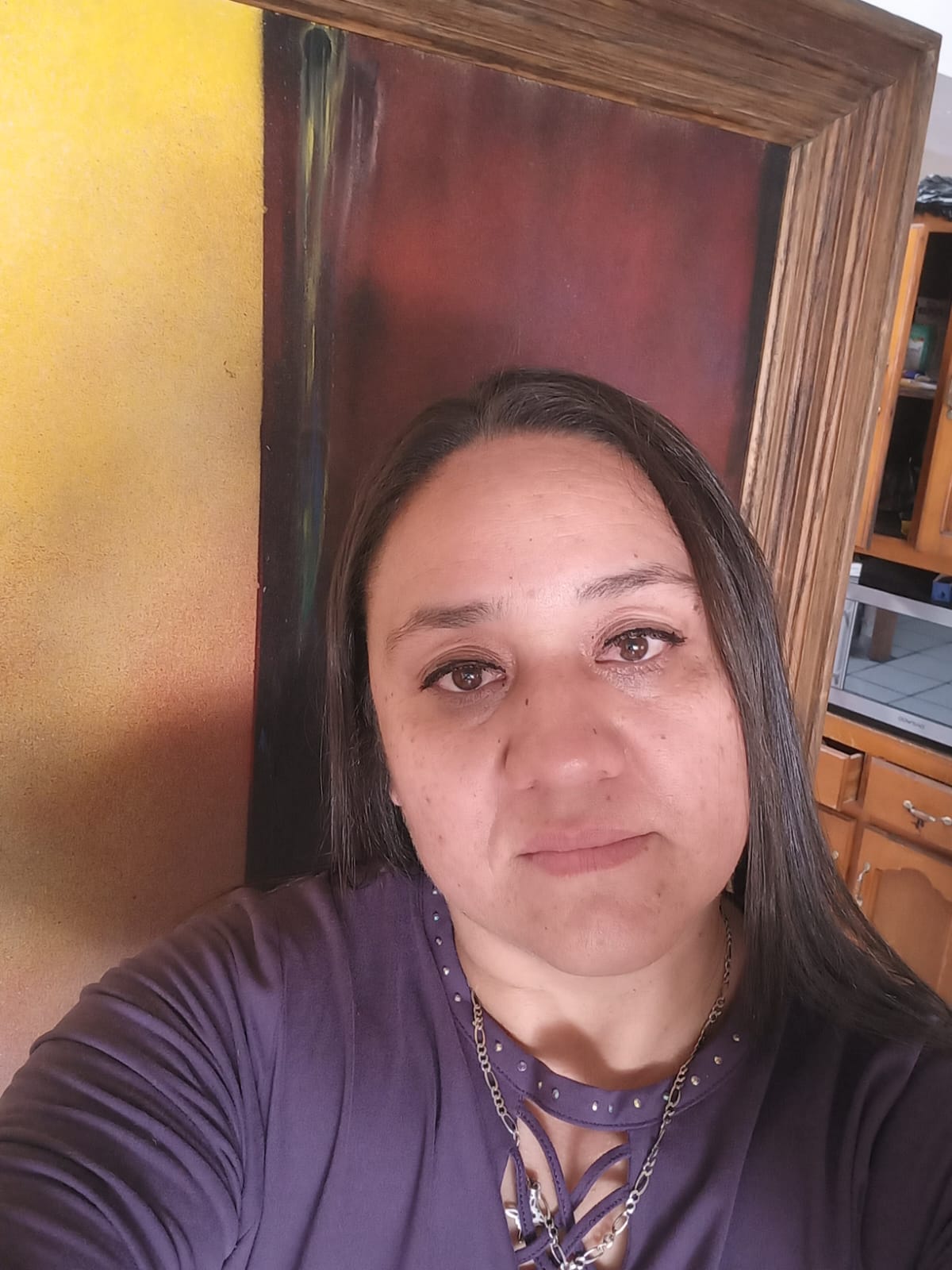
Reyna de la Torre Sánchez
Reyna de la Torre Sánchez is a mother and justice advocate for her daughter, Isabel Cabanillas de la Torre, who was a victim of feminicide on January 18, 2020. Since then, she has led a feminist struggle against the criminalization of her daughter’s case and continues to demand a swift and just investigation by authorities.
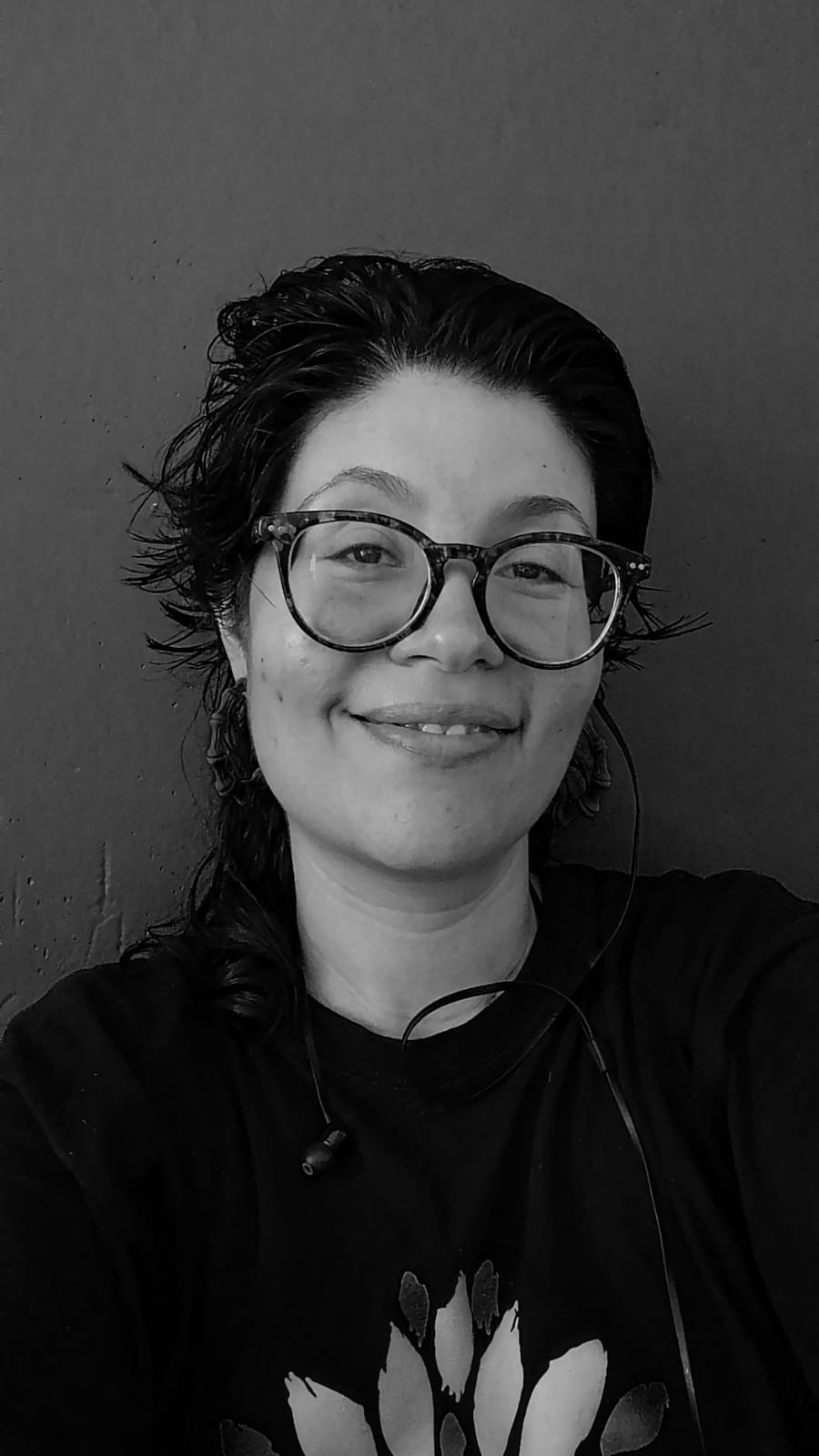
Eloisa Arenas
Eloisa Arenas was born and raised as a fronteriza juarense. Currently, she’s pursuing the MA in History in Borderlands and the certificate in Women’s and Gender Studies at UTEP. She is also a lesbian poet and feminist advocate.
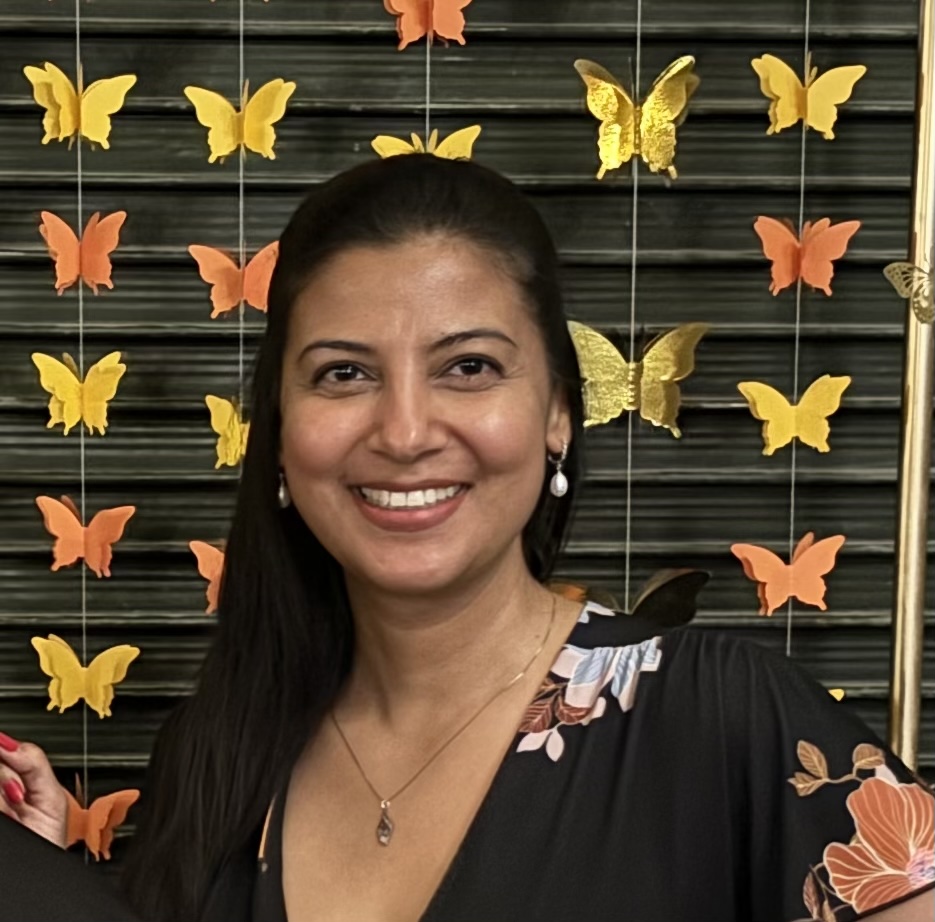
Maria Torres
Maria Torres was born in Ciudad Juarez, Mexico, raised in El Paso, TX and now teaches writing at Doña Ana Community College. A cofounder and former member of the Border Theatre, a performance ensemble producing original works. She volunteered for ImprovISA (Institute for Improvisation and Social Action), and helped launch The Cattleya Project, leading movement workshops in women’s shelters in Ciudad Juarez. She served on the board of directors for Las Americas Immigrant Advocacy Center and more recently founded UNIDAS (@unidaspodemosnm) a women’s group in Sunland Park, NM, that has organized events like the Women in the Arts panel and Immigrant Women on Education, and leads workshops on movement, community, and self-care.
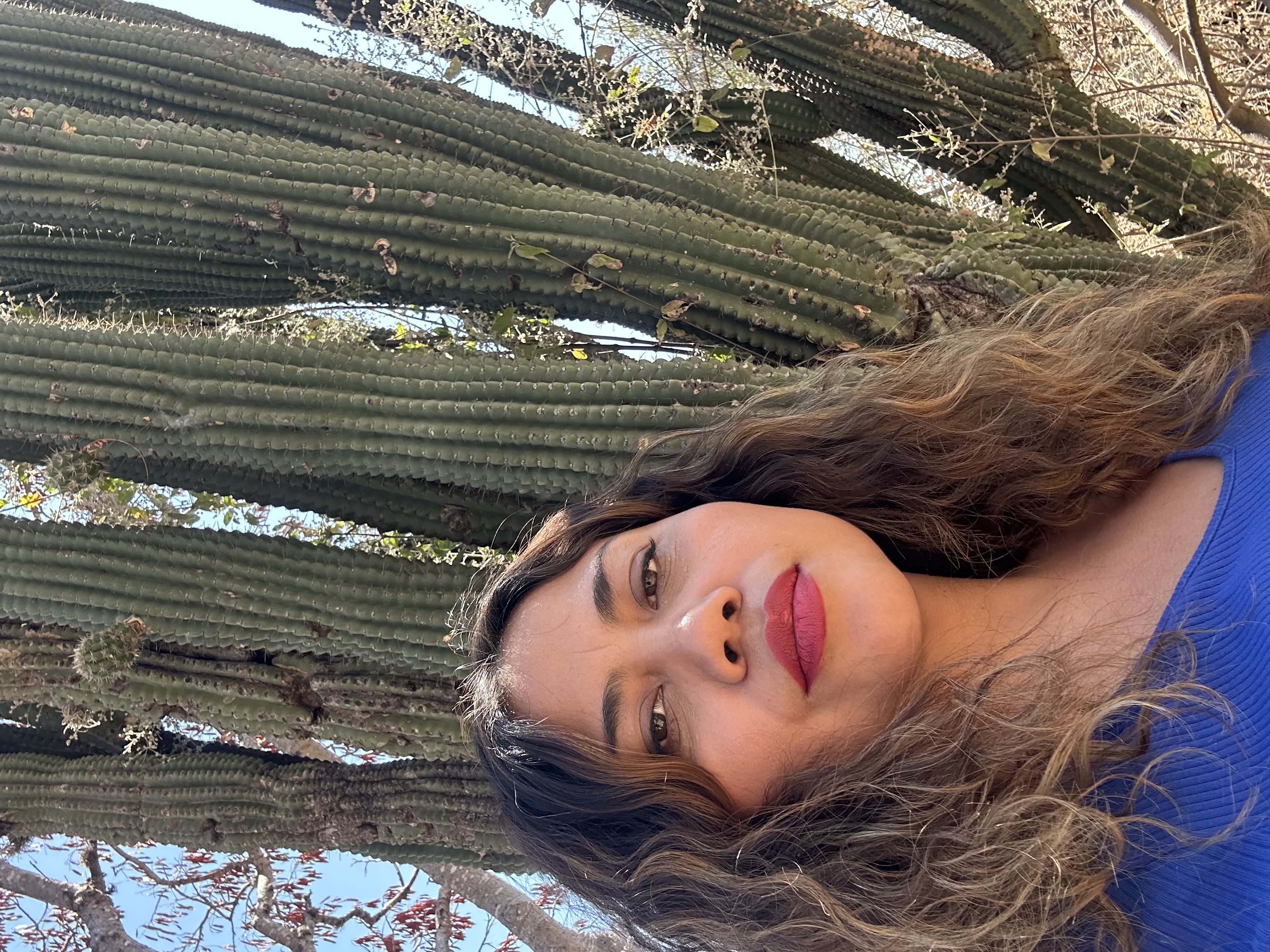
Ana Infante
Ana Infante (Ciudad Juárez, México) es artista visual, muralista y promotora comunitaria. Se formó como Técnico Profesional en Artes Plásticas (Centro Municipal de las Artes), cursó la Licenciatura en Teoría y Crítica del Arte y la Maestría en Estudios y Procesos Creativos en Arte y Diseño en la UACJ. Su práctica cruza muralismo, pintura, gestión cultural y curaduría, con énfasis en procesos participativos y pedagogías críticas. Trabaja desde el desierto fronterizo articulando memoria colectiva, identidad, territorio y migración, entendiendo el espacio público como un archivo vivo y un lugar de encuentro. Desde metodologías elicitivas y justicia restaurativa. Facilita talleres intergeneracionales y acompaña proyectos comunitarios que buscan producir imágenes situadas y vínculos de cuidado. Su obra integra investigación, relato y simbolismo fronterizo para activar conversaciones sobre la vida cotidiana, la ausencia y la construcción de comunidad.
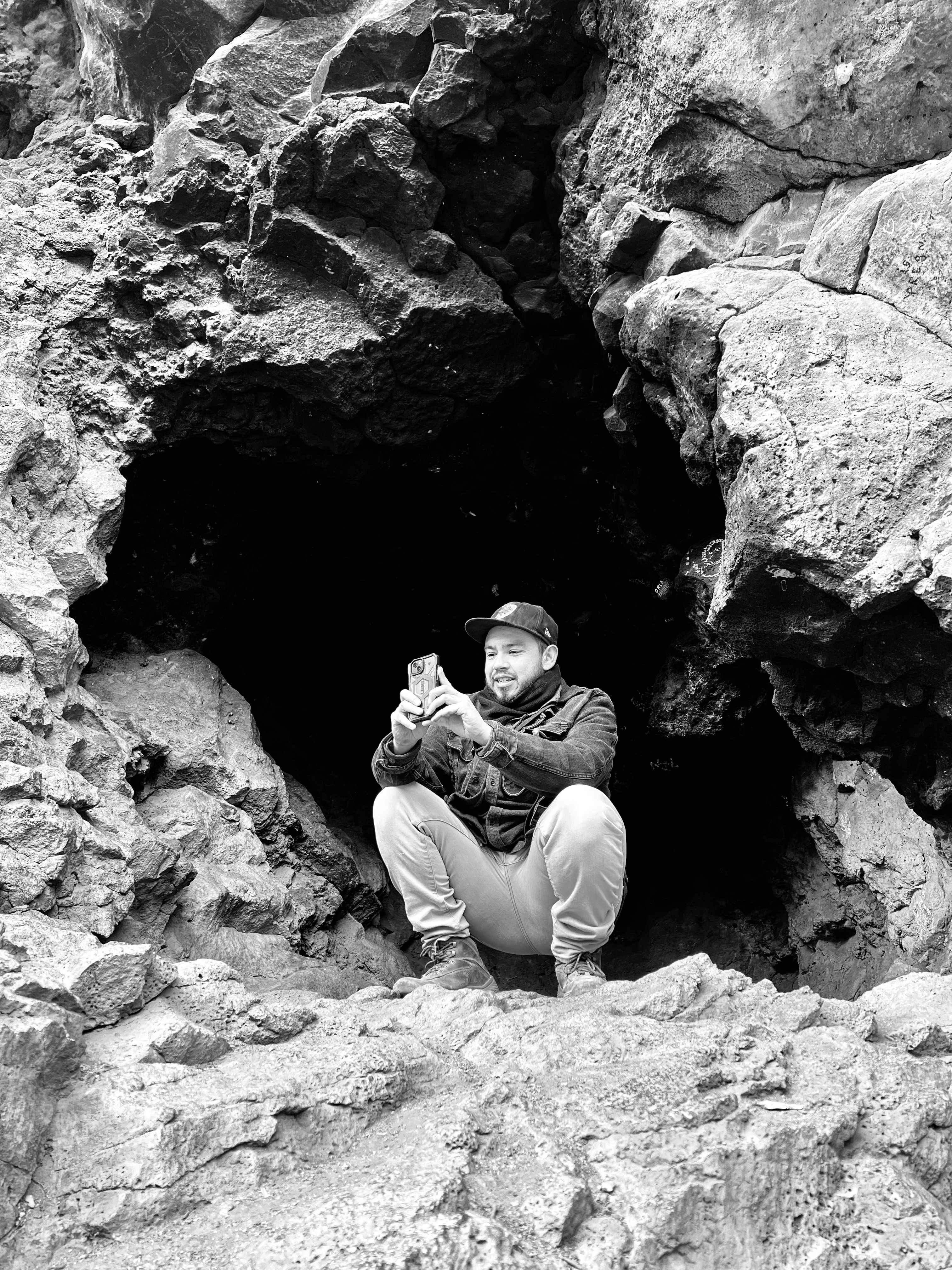
Vibianno Imanuel Gonzalez (Vib)
Querida comunidad,
Saludos. My name is Vib (Vibianno Imanuel Gonzalez), and I use he/they pronouns. I am a nonbinary Chicanx educator, longtime youth coach, and community organizer raised here in southern New Mexico. As someone whose own upbringing was shaped by the powerful, resilient comunidades of the borderlands, I see education as a powerful act of liberation—one that must include the body, nuestra tierra, and our shared histories.
For over a decade, I coached middle and high school sports in Las Cruces and served for eight years as a volunteer Educational Assistant for the media program at Las Cruces High School. After moving to New York City in 2018 to expand my work in health and advocacy, I remained grounded in educational values—facilitating youth workshops, developing bilingual wellness programs, and advocating for inclusive systems of care in both clinical and community spaces.
Most recently, I served as a Case Manager at Amador Health Center, where I worked with families to address social determinants of health, improve access to care, and support holistic wellness.
As an educator, my approach to learning is rooted in trauma-informed, bilingual, and culturally affirming practices. I believe school is a vital space where we learn about our own strength, agency, and community.
I am excited about contributing to a conversation that recognizes our advocacy as community, movement as culture, and authenticity as ceremony.
Con gratitud y en comunidad,
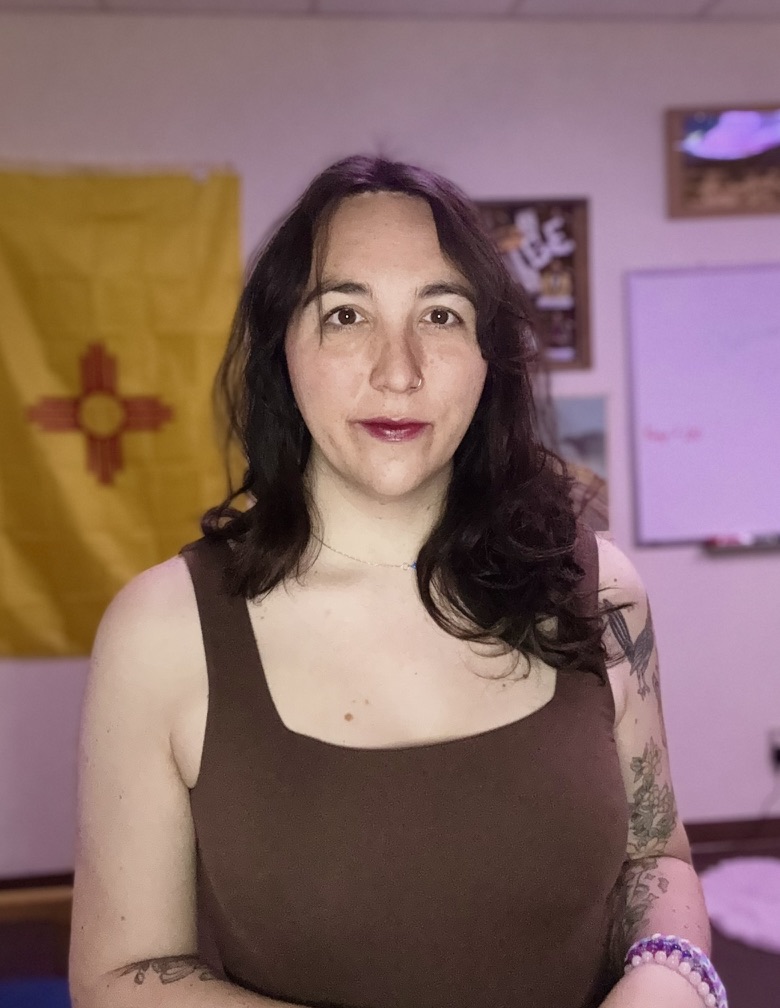
Katalina Hadfield
Katalina Hadfield is a local attorney, advocate, and performing artist. Born and raised in Las Cruces, she has lived across the country trying to collect knowledge and experience to share with the local community. Her day job specializes in bringing legal services to those who can't normally afford them, and her spare time is spent participating in LGBTQ+ performing arts opportunities.
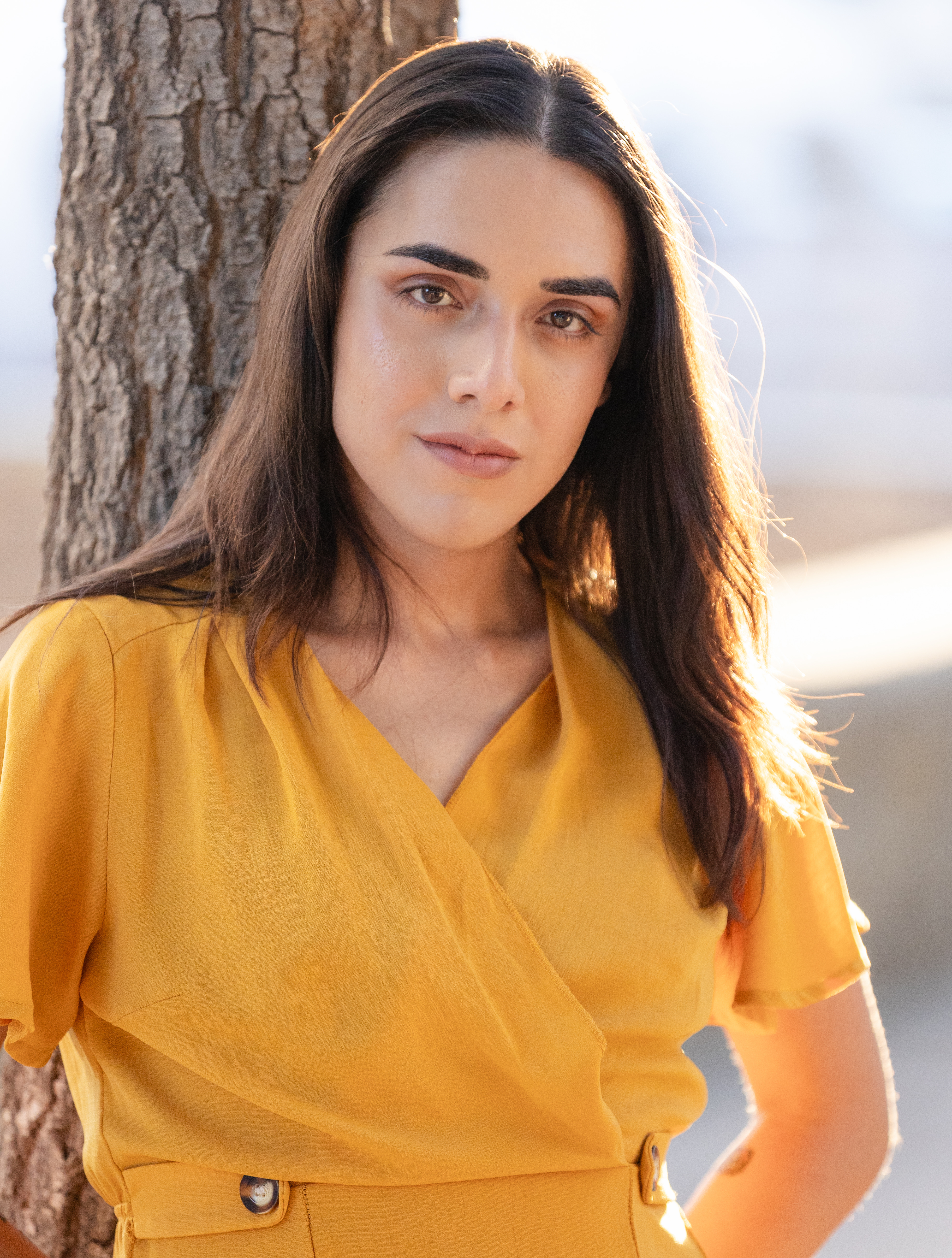
Ryan Rox
Ryan Rox (she/they) is a trans Latine filmmaker, actor, and HIV Prevention Educator based in Las Cruces, NM. As a trans person of color, her work is grounded in lived experience and a commitment to fostering understanding, connection, and care within and beyond trans communities. Rox currently works as a Prevention Educator with Alianza of New Mexico, a nonprofit that provides HIV and STI testing, harm reduction services, and case management support for underserved communities across southern New Mexico. In her filmmaking practice, Rox creates character-driven stories that center queer and trans lives with nuance and humanity. Her work seeks to challenge misrepresentation and foster empathy, with the belief that storytelling can shift culture over time. She is a former Co-Director of Femme Frontera, a film organization that supports marginalized femme and gender-expansive filmmakers of color across New Mexico, Texas, and Mexico. Her debut feature film, HIDDEN FLORA, now streaming on multiple platforms, explores identity, belonging, and resilience. Rox’s work has screened at NewFest, TRANSlations, and the San Francisco Transgender Film Festival; and has received support from Film Fatales’ Fatales Forward: Trans Stories Fellowship, Daniella’s Guestbook, and the Santa Fe Film Institute.

Jessie Gomez
I am a proud 48-year-old Albuquerque native, born and raised in the South Valley, where my roots run deep and my sense of community was shaped early on. As the youngest of three siblings—and the only daughter in my family—I grew up with a unique blend of resilience, independence, and strong family values that continue to guide me today. Life has taken me through a variety of experiences that have strengthened my perspective and deepened my appreciation for connection, loyalty, and perseverance. I am happily engaged and looking forward to building the next chapter of my life with my partner, grounded in mutual respect, support, and shared goals. At home, my world is full of energy and unconditional love thanks to my nine “furbabies,” who bring constant joy, laughter, and companionship into my life. They are more than pets—they are family, and they reflect my nurturing nature and deep commitment to caring for others. Growing up in the South Valley instilled in me a strong work ethic, cultural pride, and a lasting appreciation for where I come from. I carry those values into everything I do, both personally and professionally. I take pride in being authentic, dependable, and grounded, with a life story that reflects perseverance, heart, and a deep connection to family and home.

Jaxper Sugars
Jax Sugars (he/they) is an agender, transmasc person who has lived as their authentic self for over ten years. Jax has done extensive work supporting the LGBTQ+ community in New Mexico in partnership with a number of local nonprofits, as well as exploring their own gender expression through drag performance.
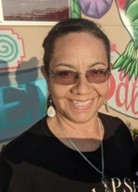
Lucía Verónica Carmona
Lucía Verónica Carmona is a native of Cd. Juárez, Chihuahua of Rarámuri (Tarahumara) ancestry, learned to play guitar at 16 and sings traditional Mexican music, especially songs promoting social justice. Lucía has lived in Las Cruces, NM, for over 23 years, which over time, in 2004, she became a lead organizer for the Colonias Development Council for more than eight years; board president of the farmworkers Sin Fronteras Organizing Project, and the Regional Project Coordinator in Southern New Mexico for the National Immigrant Farming Initiative. She has a Bachelor of Arts in Sociology with a Minor in U.S./Mexico Border Studies from New Mexico State University. In January 2013, she joined Ngage NM, a nonprofit organization based in Doña Ana County, to advance an Initiative on Education Countywide as the Community Engagement Coordinator. In May 2014, she became a W.K. Kellogg Foundation Fellow as part of the 1st Class of the Community Leadership Network Program, hoping to create an interactive educational project based on Mexican Indigenous tradition. In July 2015, she was awarded a new fellow member by the Native American Community Academy (NACA) Inspired Schools Network Program. Alongside 12 committed founders for over 3 years worked together on the effort to open a Charter School K-5 utilizing Mesoamerican Indigenous Concepts as part of the curriculum (www.raicesdelsaber.org). This public elementary school started in Las Cruces, NM on August 8th, 2019. Visit the YouTube channel “Tloke Nauoke.” Currently, the school has being active for the last seven years.
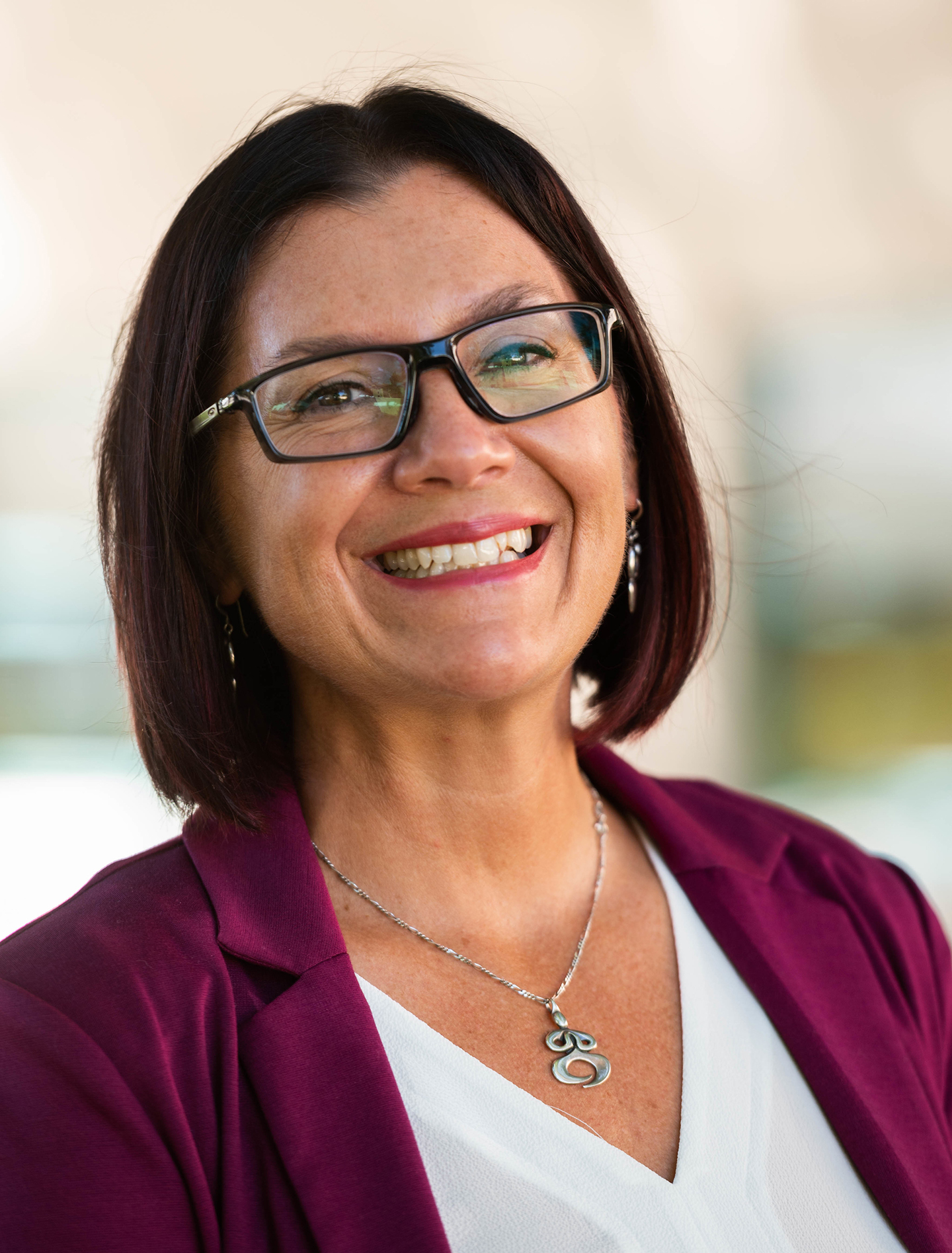
Dr. Teresa Maria Linda Scholz
Dr. Scholz is the Vice President for the Office of Land Grant Inclusive Mission, and a full professor of Communication Studies at New Mexico State University. Prior to her roles as an administrator, she was an Associate Professor (with tenure) at Eastern Illinois University in Communication Studies, and affiliated Women’s Studies and Latin American Studies faculty, the Lead Speech Instructor at Front Range Community College, and lecturer at Colorado State University and Denver University. As a researcher/scholar, Dr. Scholz’ area of research was in Latin American human rights rhetoric; specifically, she theorized about the testimonios of Latin American women human rights activists in the 60s, 70s, and 80s. As VP for OLGIM, and now as a scholar practitioner, Dr. Scholz is passionate about leading higher education institutions in practices that center “servingness.” She underscores the importance of an institution of higher education needing to work with all campus, systemwide and community partners to co-create and co-sustain a healthy climate that centers inclusive and equitable practices and intersectionality. She has received teaching and service awards throughout her career at two year and four-yearinstitutions. In her spare time, she enjoys hikes with her husband, and spending time with their feisty, energetic, and opinionated cats and dog.

Cynthia Bejarano
Cynthia Bejarano, a native of southern New Mexico, is a Regents Professor in Gender and Sexuality Studies and the College of Arts and Sciences Stan Fulton Endowed Chair at New Mexico State University. Since joining NMSU in 2001, her research has focused on the embodiments of violence related to immigration, migration, and gender-based violence and feminicidios at the U.S.-Mexico border. Cynthia has written on feminicides and other forms of violence in El Paso, Ciudad Juárez, Chihuahua, and southern New Mexico. With Rosa-Linda Fregoso, she co-edited Terrorizing Women: Feminicide in the Américas (2010, Duke University Press), also published in Spanish by the Universidad Nacional Autónoma de Mexico (2011). Through the University of Arizona press, Bejarano published Qúe Onda: Urban Youth Culture and Border Identity (2005), and co-edited, Frontera Madre(hood): Brown Mothers Challenging Oppression and Transborder Violence at the U.S.-Mexico Border with Cristina Morales (2024), that received an International Latino Book Award through the Empowering Latino Futures organization in 2025. Bejarano also co-edited (with Margo Tamez and Jeff Shepherd), GATHERING TOGETHER, WE DECIDE: Archives of Memory, Dispossession, and Resistance in Ndé Homelands, published by the University of Arizona Press, in 2025
For her advocacy and research on feminicides, in 2014, she served as a tribunal judge for the Tribunal Permanente de los Pueblos, “Feminicidio y Violencias contra la Mujer” in Chihuahua City, Chihuahua. Bejarano co-founded Amigos de las Mujeres de Juarez (2001-2010) an organization that worked with Mexican feminist and human rights groups, and the families of disappeared and murdered women to end this violence. Bejarano also serves as co-principal investigator with Sylvia Fernandez on Fuerza Feminista: Intimate Recovery and Memory Archives, a digital humanities project that documents and contextualizes the feminist movements in the El Paso/Juarez border region by using transborder feminist approaches.
Since 2002, Cynthia has also served as the founding principal investigator for the College Assistance Migrant Program at NMSU, that provides postsecondary educational outreach, access, recruitment and retention of students from farm working backgrounds. With CAMP colleagues, they have served 677 students by advocating for transformational change and social mobility for farm working families across New Mexico and far west Texas.
For her teaching, research, and service, she has received the Donald C. Roush Excellence in Teaching Award, the Governor’s Award for Outstanding New Mexico Women, the Critical Educators in Social Justice (CESJ) Special Interest Group's Community Advocacy Award, the Excellence in Teaching Award from the National Society of Leadership and Success, and the Bellas Artes y Culturas Hispanic Heritage Unsung Hero Award. In 2025, she was awarded the Desert Heroine Award, the Covarrubias-Aprendamos and Zamora Foundation’s Latinés in Leadership Award for Arts, Culture, and Media, and the NMSU Foundation’s highest recognition, the James F. Cole Memorial Service Award for Distinguished Alumna.
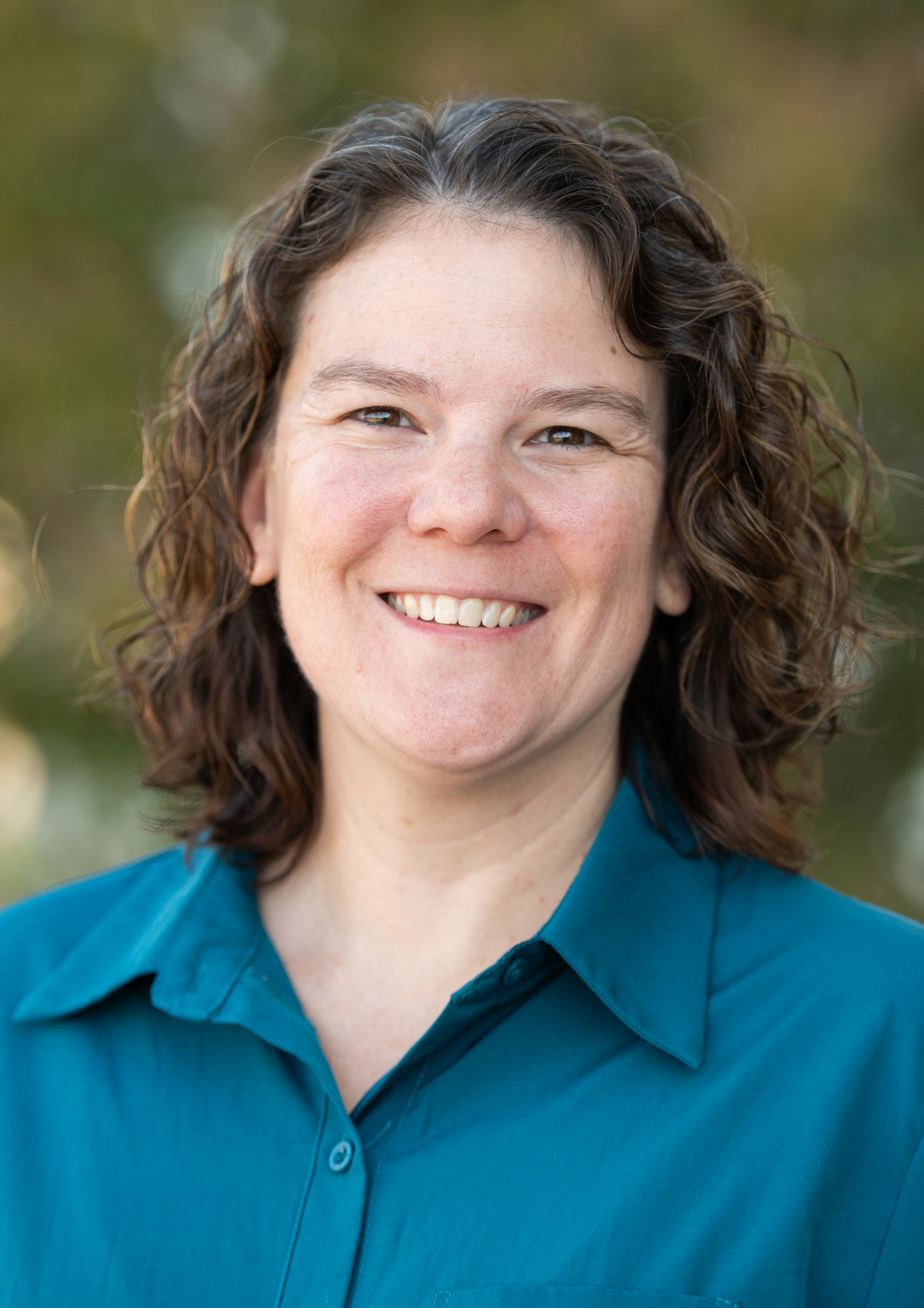
Spri Aubrey
Spri Aubrey is the Administrative Assistant / Special Executive for the office. Prior to this role, Spri was an administrative assistant to the Board of Regents and the office of Strategic System Services. Before coming to Las Cruces and NMSU, she was a Program Specialist for Big Brothers Big Sisters in Silver City, New Mexico. Spri was also an administrative assistant and instructor at Western New Mexico University. She received her Bachelors of Interdisciplinary Studies with a concentration in Special Education in 2016 from Western New Mexico University.

Zaira Martin
Zaira Martin is a PhD student in Sociocultural Anthropology at Arizona State University. She earned her undergraduate and master’s degrees from New Mexico State University, where she was a participant in the College Assistance Migrant Program (CAMP). As a first-generation college student from a farmworking background, her lived experiences continue to shape her academic and advocacy work. Her research centers on migration, gender, and children and youth, with a particular focus on the experiences of migrant children and the structural inequalities that shape their lives.
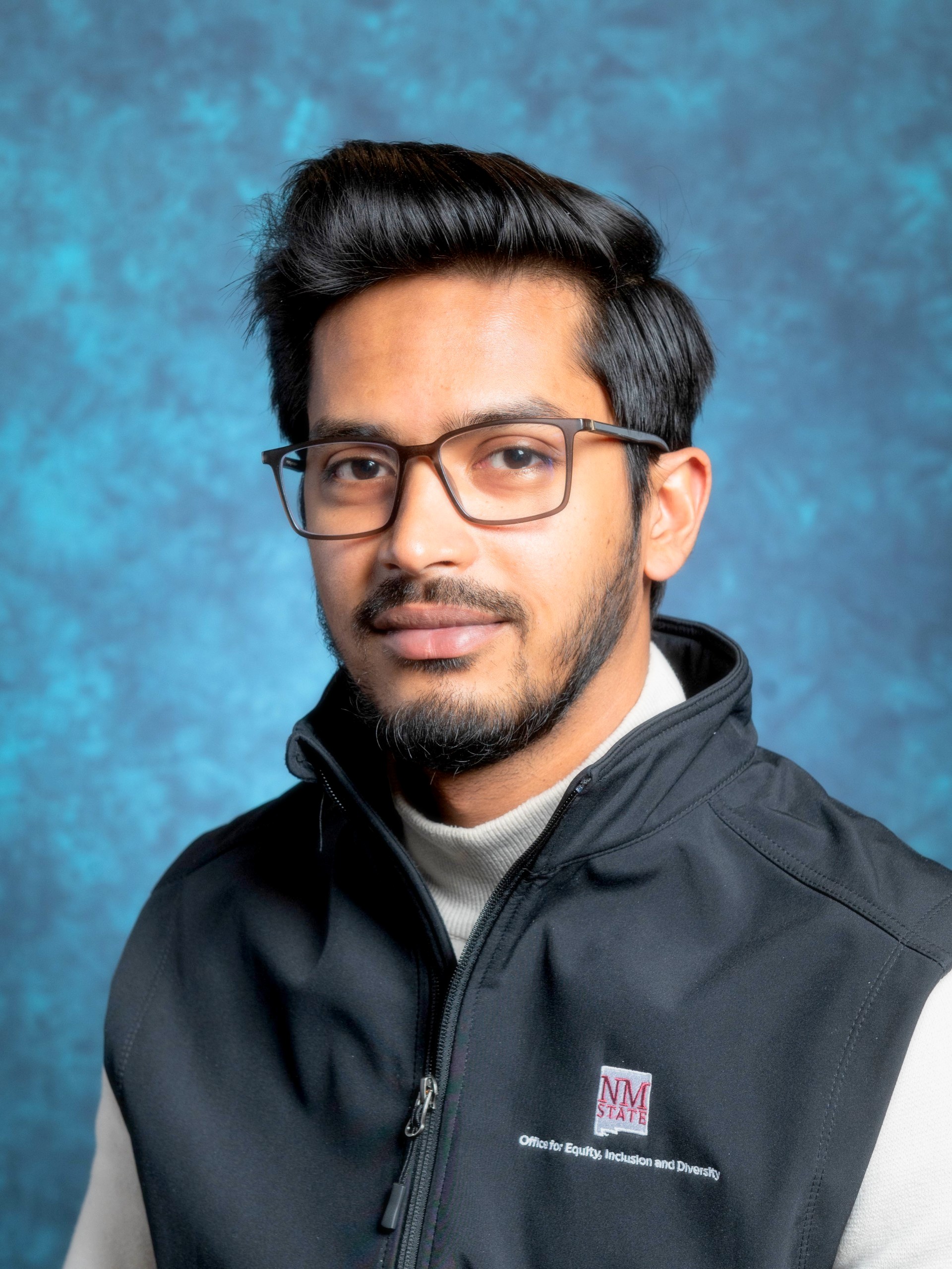
Sarhan Osman Bhuiya
Sarhan Osman Bhuiya is a web developer based in Las Cruces, New Mexico. He holds a Master's degree in Computer Science from New Mexico State University and brings experience in system engineering, web development, and network operations, with a focus on delivering reliable and scalable digital solutions. Sarhan ensures smooth project operations, whether it involves intricate coding tasks or coordinating initiatives. Beyond the digital realm, Sarhan enjoys traveling, and indulging in various types of cultured cuisine. He harbors a unique fascination for solving Rubik's cube, turning each puzzle into a triumph of colors and patterns. Sarhan also has a passion for cars, loves to drive, and is always eager to explore the world on four wheels.

Mariel Venzor
Mariel Venzor and is currently a junior at New Mexico State University pursuing a major in Psychology with a double major in Spanish. Mariel is originally from Puerto Palomas, Chihuahua, a small town located on the U.S.–Mexico border. Growing up in a Mexican household as an only child while attending school in the United States has presented unique challenges—ones that she shares with many students who live between two cultures. These experiences have shaped her resilience, adaptability, and dedication to her academic and professional development. After completing her undergraduate degree, she plan to pursue a master's degree in Communication Disorders.
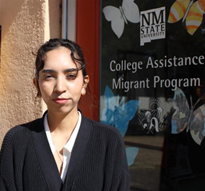
Abigail Carreon
Abigail Carreon is a junior at New Mexico State University double majoring in Museum Conservation and Anthropology with a minor in Art History. She is from the border region of Columbus, New Mexico/Palomas, Chihuahua. Abigail recently helped to curate the “Death of Curiosity: From Cabinets of Curiosity to University Museum” an exhibit at the NMSU Kent Hall Museum

Mary Helen Taylor Ratje
Mary Helen Taylor Ratje is the daughter of John Paul Taylor and Mary Helen Daniels Taylor. Mary Helen grew up in the family home that will become the 8th New Mexico Historic Site. It will officially open to the public in November 2025. Mary Helen has been a long-time educator working as an elementary teacher, and gifted facilitator. She worked with the Las Cruces Public Schools and recently retired from the J. Paul Taylor Academy. She is currently serving on the Advisory Committee for the Taylor-Mesilla Historic Property and is an advisory member of the Taylor-Mesilla Friends Board.

Dennis Daily
Dennis Daily has worked in archives and special collections since 1997 across academic and public libraries. Since 2016, he has led Archives and Special Collections at NMSU Library. His interests include Mexico and border history, photography, oral history, folk traditions, preservation, digital archives, and humanities research.
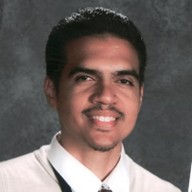
Lecroy Rhyanes, Jr.
Lecroy Rhyanes, Jr. is a middle school language arts educator with ten years of experience in Northeast El Paso, Texas. A New Mexico State University graduate with a BA in Criminal Justice/English and an MFA in Creative Writing-Poetry, Rhyanes is dedicated to creative approaches to learning and self-expression for underserved and justice-involved youth.
For a decade, Rhyanes facilitated Voices Behind Walls, a creative expression program for incarcerated youth in El Paso and Las Cruces detention centers. The program engaged participants in poetry, beat making, Hip Hop writing, radio broadcasting, and mixtape production. While attending college, he worked as a creative arts educator with NMSU's ¡Aqui se Puede! program, mentoring adjudicated youth in film production and storytelling. He produced the documentary Youth Addressing Justicia, An ¡ASP! Experience, which documented the 2006 J. Paul Taylor Symposium on Social Justice for Women.
Rhyanes' commitment to education and social justice earned him the J. Paul Taylor Symposium Social Justice Award from the NMSU Department of Government in 2014 and two nominations for Teacher of the Year (2020, 2024) at EPISD's Canyon Hills Middle School. His professional background includes radio broadcasting experience at KRUX 91.5 FM and eight years as a grant writer in the non-profit sector.
Today, Rhyanes volunteers with the El Paso Public Library and organizes after-school initiatives in chess and media at Canyon Hills MS, offering digital storytelling with mobile images, beat making, poetry, and other creative outlets.